Our process
How trade enquiries work
- 1
Enquiry
Share the product, quantity, destination and any specifications through the RFQ form, WhatsApp or phone.
Every enquiry is logged with a reference number. The more detail you provide — grade, quality parameters, packaging, Incoterms and port of discharge — the faster we can assess it.
- 2
Specification confirmation
We confirm the exact specification, packaging, volumes and delivery window with you.
Before approaching producers or suppliers we agree the technical specification, inspection or testing needs, packing and labelling, and the delivery schedule in writing.
- 3
Quotation
You receive a written quotation with price basis, validity, payment and delivery terms.
Prices depend on specification, quantity, market conditions, freight and Incoterms, so they are only given in a written quotation — never as a published list price.
- 4
Compliance checks
Export/import eligibility, licences, HS classification and destination rules are reviewed.
Trade policy, restricted or prohibited items, licensing, product registrations, phytosanitary or quality certificates and destination-specific regulations are checked for each order before commitment.
- 5
Documentation
Commercial and regulatory documents are prepared and shared for your review.
Typical documents include the proforma invoice, commercial invoice, packing list, certificate of origin and any product-specific certificates required by the destination country.
- 6
Shipment coordination
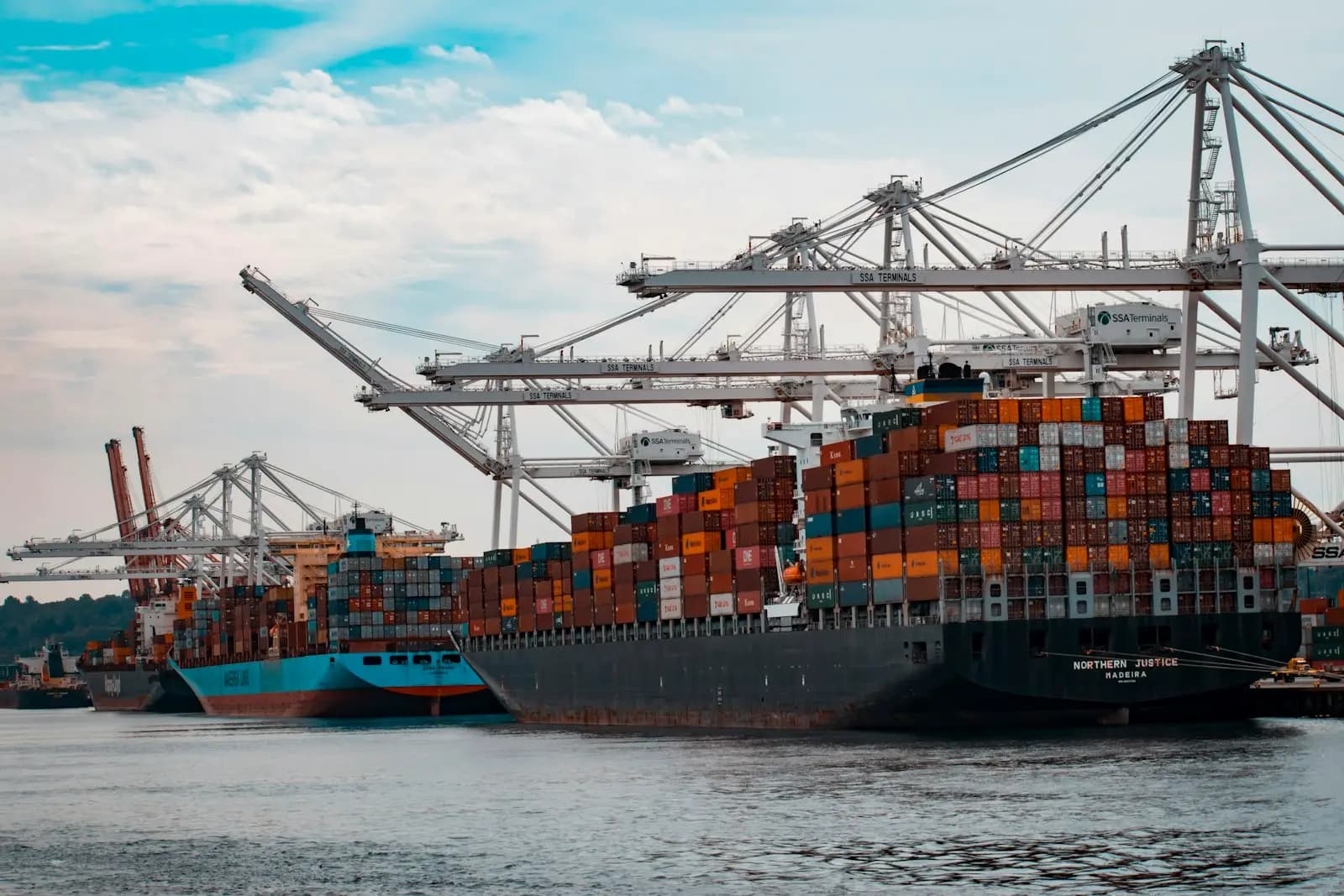
Booking, inspection, customs and dispatch are coordinated with logistics partners.
We coordinate with freight forwarders, customs brokers and inspection agencies as required, and keep you informed until the agreed delivery point under the chosen Incoterm.
Documentation
Common trade documents
The exact set depends on the product, the destination and the agreed Incoterm.
- Proforma invoice
- Confirms the agreed product, quantity, price basis and payment terms before production or dispatch.
- Commercial invoice
- The final invoice used for customs clearance in both countries.
- Packing list
- Details of packages, weights and marks for each shipment.
- Bill of lading / airway bill
- Issued by the carrier as the transport document and, for sea freight, document of title.
- Certificate of origin
- Required by many destinations, especially to claim preferential duty under trade agreements.
- Product-specific certificates
- Such as phytosanitary, health, fumigation, quality or analysis certificates, depending on the product and destination.
General information
FAQ
Frequently asked questions
Do you publish prices?
No. Prices depend on specification, quantity, market conditions, packaging, freight and Incoterms, so they are provided only in a written quotation for a specific enquiry.
Is every product on the website available immediately?
No. Catalogue listings describe products we handle enquiries for. Availability, specification and lead time are confirmed for each enquiry.
How do you handle restricted or regulated products?
Regulated products are reviewed for licensing, registrations and destination rules before any commitment. If a product cannot be traded legally, we will tell you.
Which Incoterms can be used?
Common terms such as EXW, FOB, CFR and CIF can be discussed. The agreed Incoterm is stated in the quotation and determines where responsibility and risk transfer.
Supplier? Register your products.